Scent as Signal: The Quiet Etiquette of Fragrance in Close Company
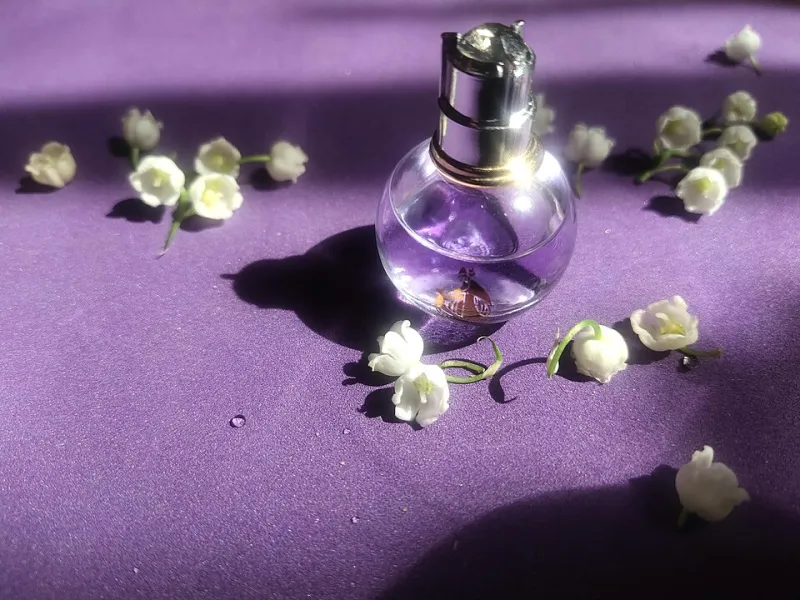
Photo: Nexine7657, CC0, via Wikimedia Commons
In premium companionship, first impressions are assembled from more than conversation and presentation. They are sensory. The door opens, the room changes, and before a word is exchanged, scent has already spoken. For American clients visiting Chandigarh, fragrance is often the least examined part of preparation and one of the most memorable. The guiding principle is simple: in close company, restraint reads as sophistication.
Presence, Not Projection
A fragrance can announce a man from across a lobby, or it can remain a private detail discovered only at conversational distance. The first is performance; the second is presence. In Chandigarh's warm climate, scent develops faster and carries farther than many visitors expect. A cologne that feels subtle in a cool American city may become heavy after a flight, a car ride, and an evening in a warmer room.
For companion encounters, the safer choice is a moderate concentration applied sparingly. Fresh citrus, light woods, clean amber, and soft herbal notes tend to travel well. Aggressive oud, dense musk, and heavily sweet gourmands can be striking, but they require confident restraint. When in doubt, choose the lighter option. A companion should notice your fragrance, not negotiate with it.
Timing Beats Volume
Most men apply fragrance too late and too generously. A spray minutes before arrival is still sharp and alcoholic. A better practice is to apply twenty to thirty minutes before the appointment, allowing the top notes to settle and the composition to soften. One or two sprays at the chest or behind the ears is usually sufficient. Avoid layering scented lotion, deodorant, and hair product unless they share the same quiet profile.
Travelers should also account for the day's residue. Cigarette smoke, strong lunch spices, and airport coffee can complicate a carefully chosen scent. A shower and a change of shirt before the evening do more for close-company comfort than an extra spray. A small travel atomizer is useful, but it should be used with discipline. The goal is a trace, not a cloud.
Reading the Cues
Companions are professionals at reading comfort. If she leans in comfortably, remains close, and makes no adjustment to the room, the fragrance is likely working. If she steps back, opens a window, fans herself, or subtly positions a cushion between you, the message is physical rather than verbal. The graceful response is not to ask whether she likes your cologne. It is to act.
You might say, 'It is warm in here. Would you prefer we open the window?' or 'I can freshen up before we settle in.' These small offers preserve dignity on both sides. If she compliments the scent, accept it briefly and without a lecture on its notes. If she mentions sensitivity, treat it as useful information rather than criticism. A scent-free option is not a failure of preparation; it is a form of consideration.
A Practical Framework for American Clients
First, choose one signature fragrance for the trip rather than a collection. Decision fatigue produces over-application. Second, match the scent to the season and setting: lighter for daytime and warm evenings, slightly deeper for air-conditioned formal dining. Third, apply less than you would at home. Fourth, carry a neutral facial wipe or a fresh shirt if the day has been long. Fifth, avoid experimenting with a new fragrance on the evening itself. A companion encounter is not the moment to test an unfamiliar oud.
Finally, remember that fragrance is only one layer of presentation. Clean grooming, pressed clothing, and fresh breath matter more than any bottle. A man who smells clean, composed, and lightly scented will be remembered more favorably than one who has invested heavily in a statement fragrance but neglected the basics.
Why Memory Favors Subtlety
Scent is tied to memory more directly than almost any other sense. A subtle fragrance can become a pleasant marker of an evening: the memory of a calm room, good conversation, and easy company. An overpowering fragrance becomes a different kind of marker, one associated with discomfort and closed windows.
The fragrance rule in premium companionship is therefore not about finding the most impressive scent. It is about understanding the intimacy of close company. Choose something you like, apply it with restraint, watch for cues, and let it recede into the background. The most sophisticated impression is often the one that never announces itself at all.